Follicular Phase
The follicular phase commences on the initial day of menstruation and concludes with ovulation.
HEDPRED brings together endometrial gene-expression datasets and bioinformatics tools for researchers studying tissue function across the menstrual cycle. Explore available data, investigate pathways, or contact the lab about working with your own dataset.
Two cycles, one tissue
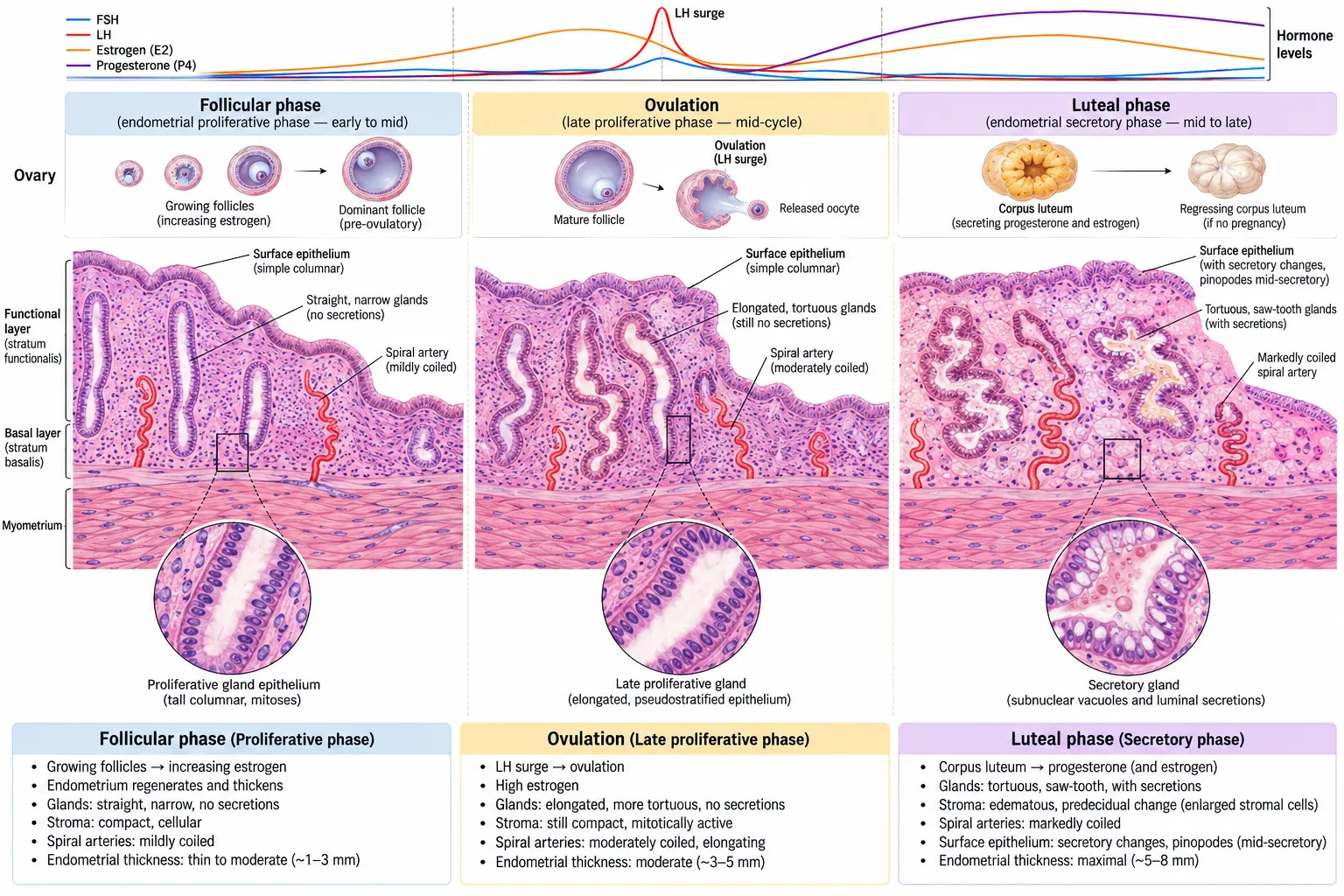
The ovarian cycle is described through the follicular phase, ovulation, and luteal phase. The endometrial cycle is described through menstrual, proliferative, and secretory phases. These connected timelines help place each tissue sample in its biological context.
 (opens full size in a new tab)
The follicular phase commences on the initial day of menstruation and concludes with ovulation.
Ovulation is the stage of the menstrual cycle during which an ovum is released from an ovary.
The luteal phase constitutes the latter segment of the menstrual cycle and readies the uterus for potential pregnancy.
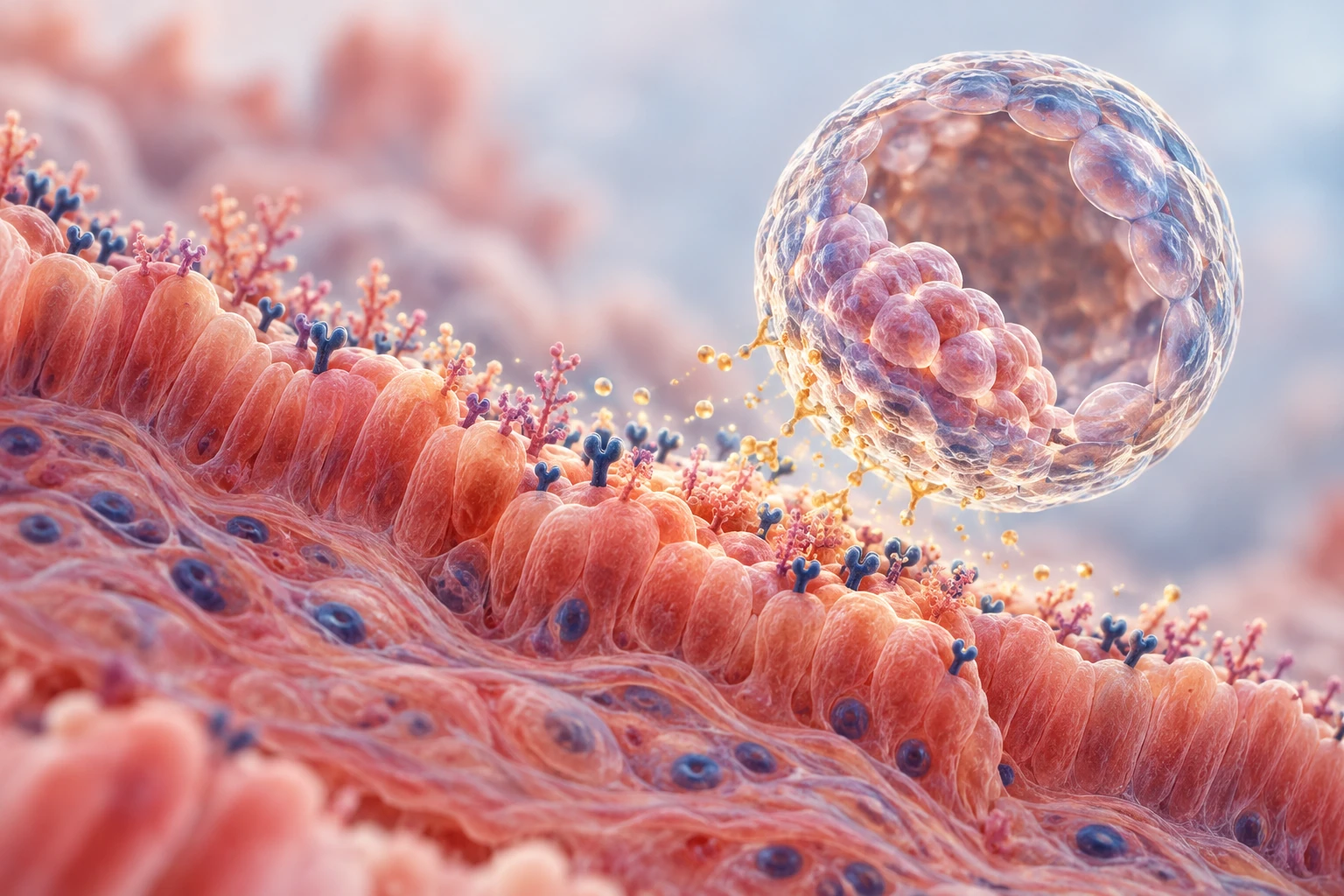
Endometrial receptivity describes a state of the uterine lining studied in relation to embryo implantation. HEDPRED gives researchers tools and datasets to explore the gene-expression patterns associated with this biology.
RESEARCH PLATFORM
Browse endometrial research data, use bioinformatics tools to examine expression and pathways, or contact the team about bringing your own data.
Access extensive datasets for endometrial research and gene expression studies.
Use bioinformatics tools for pathway analysis and visualisation.
Research data stays on the lab's own infrastructure and is never shared.
The lab assesses an endometrial sample and reports it as pre-receptive, receptive, or post-receptive. Send a request to learn about sample requirements, handling, and next steps.
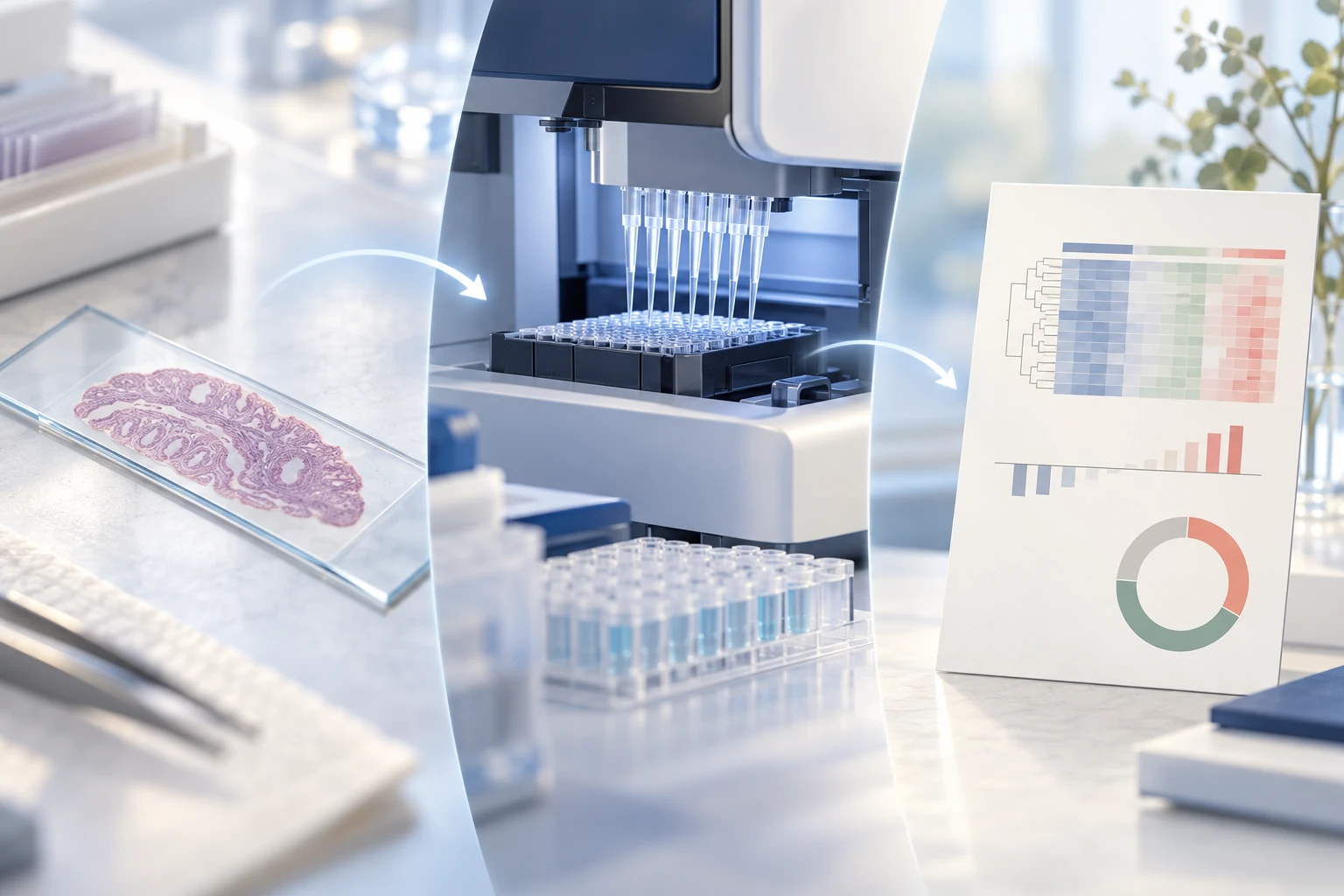
Join researchers exploring endometrial function and gene expression.